
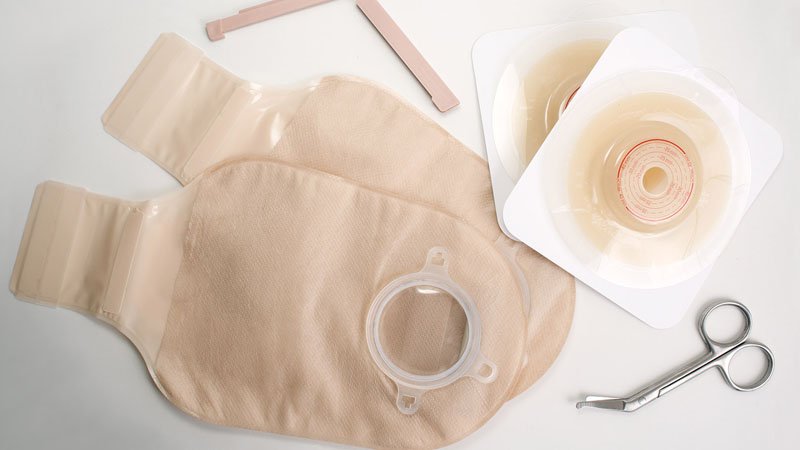
For individuals living with an ostomy, selecting the right pouching system is one of the most important aspects of daily care. A properly fitted ostomy pouch ensures comfort, protects the skin around the stoma, and prevents leakage. With modern advancements in medical technology, there are now many types of ostomy pouching systems designed to meet different patient needs.
Choosing the right system can greatly improve quality of life and make ostomy management easier for both patients and caregivers. This guide explains the different types of ostomy pouching systems, how to select the best option, and tips for maintaining a secure and comfortable fit.
Understanding Ostomy Pouching Systems
An ostomy pouching system is designed to collect waste from the stoma while protecting the surrounding skin. The system usually consists of two main components:
-
Skin barrier (wafer) – Protects the skin around the stoma and helps attach the pouch securely.
-
Collection pouch – Collects bodily waste and allows for easy disposal.
The main goal of a pouching system is to provide a secure seal around the stoma while ensuring comfort and discretion for the user.
Types of Ostomy Pouching Systems
One-Piece Systems
A one-piece system combines the pouch and skin barrier into a single unit. This type is simple to apply and remove, making it a convenient option for many patients.
Advantages:
-
Easy to use
-
Flexible and comfortable
-
Lower profile under clothing
However, because the barrier and pouch are attached together, the entire system must be replaced when changing the pouch.
Two-Piece Systems
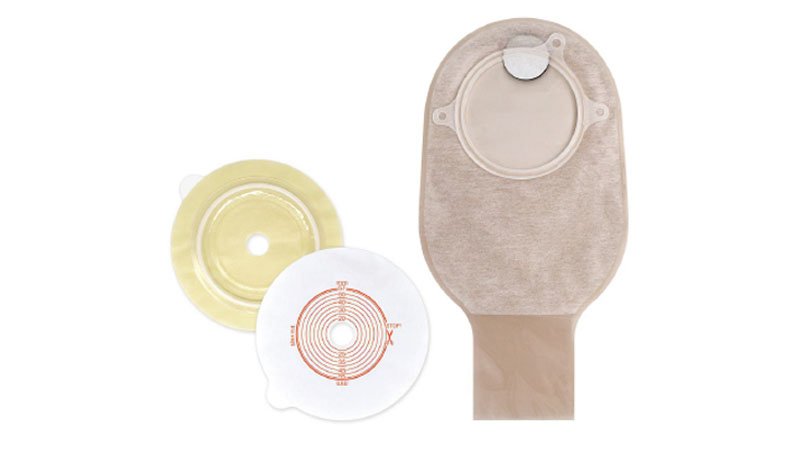
In a two-piece system, the pouch and skin barrier are separate components that can be connected and disconnected.
Advantages:
-
Skin barrier can stay in place longer
-
Easier pouch replacement
-
More flexibility in pouch options
This system is often preferred by patients who need frequent pouch changes.
Closed-End Pouches
Closed-end pouches are designed for single use and must be removed and replaced after filling. These are commonly used by individuals with colostomies.
Drainable Pouches
Drainable pouches allow waste to be emptied through an opening at the bottom. These are commonly used by patients with ileostomies because output tends to be more liquid.
Factors to Consider When Choosing an Ostomy Pouch
Stoma Size and Shape
Each stoma is unique, and selecting the correct barrier size is essential for preventing leakage and protecting the skin.
Skin Sensitivity
Some patients have sensitive skin that may react to certain adhesives. Choosing skin-friendly barriers and protective accessories can help prevent irritation.
Lifestyle and Activity Level
Active individuals may benefit from flexible pouching systems designed for movement and durability.
Output Type
The type of ostomy output (liquid or solid) will influence the type of pouch that works best.
Protecting the Skin Around the Stoma
Healthy skin around the stoma is essential for proper pouch adhesion and comfort. Skin irritation is one of the most common issues faced by ostomy patients.
To protect peristomal skin:
-
Keep the area clean and dry
-
Use protective skin barriers
-
Change pouches regularly
-
Avoid products that contain harsh chemicals
Barrier rings, powders, and protective wipes can provide additional protection and improve the fit of the pouching system.
Tips for Proper Pouch Application
Applying an ostomy pouch correctly helps prevent leakage and ensures maximum comfort.
Follow these steps:
-
Clean the skin around the stoma gently with warm water.
-
Dry the area thoroughly before applying the barrier.
-
Measure the stoma to ensure the correct barrier size.
-
Apply the pouch system securely without wrinkles.
-
Press gently to ensure strong adhesion.
Taking time to apply the pouch carefully can reduce complications and improve confidence.
When to Change the Ostomy Pouch
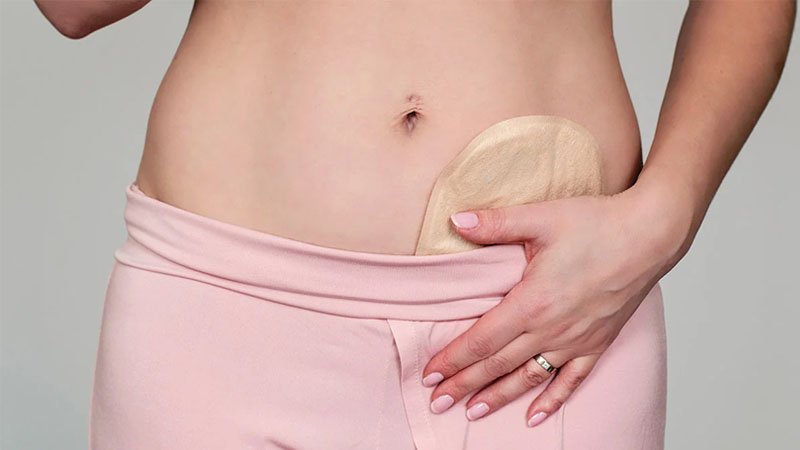
Most ostomy pouches should be changed every 3 to 5 days, although this may vary depending on individual needs.
Signs that a pouch should be changed include:
-
Leakage or odor
-
Skin irritation
-
Loose adhesive seal
-
Full pouch
Maintaining a regular pouch replacement routine helps ensure hygiene and comfort.
Conclusion
Choosing the right ostomy pouching system is essential for maintaining comfort, protecting skin health, and improving overall quality of life for individuals living with an ostomy. With the wide range of modern ostomy care products available today, patients can find solutions that suit their lifestyle and medical needs.
Proper education, reliable medical supplies, and consistent care routines make ostomy management easier and more effective.
FAQ
How often should an ostomy pouch be emptied?
It should usually be emptied when it is about one-third full.
Can ostomy patients exercise or travel?
Yes, with the right pouching system and preparation, patients can maintain active lifestyles.
What should I do if my ostomy pouch leaks?
Check the fit of the skin barrier and ensure the stoma opening is properly measured.