Wounds are a common medical concern that can occur due to injuries, surgical procedures, burns, or chronic health conditions. While many wounds heal naturally, improper care can lead to infection, delayed healing, and serious complications.
Effective wound care is essential for supporting the body’s natural healing process, preventing infection, and minimizing scarring. With proper medical attention, appropriate wound dressings, and a consistent care routine, most wounds can heal safely and efficiently.
This guide explores the different types of wounds, the stages of healing, and the best practices for effective wound care management.
Types of Wounds
Wounds vary depending on their cause, severity, and location on the body. Understanding the type of wound helps determine the appropriate treatment method.
Common types include:
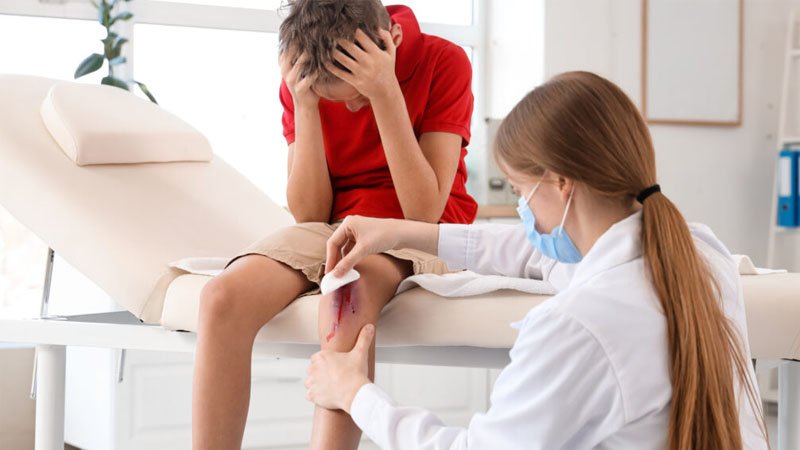
Acute wounds – Caused by sudden injuries such as cuts, burns, or surgical procedures.
Chronic wounds – Wounds that do not heal properly within the expected timeframe. These are often associated with conditions such as diabetes or poor circulation.
Pressure ulcers – Also known as bedsores, these occur when prolonged pressure restricts blood flow to certain areas of the skin.
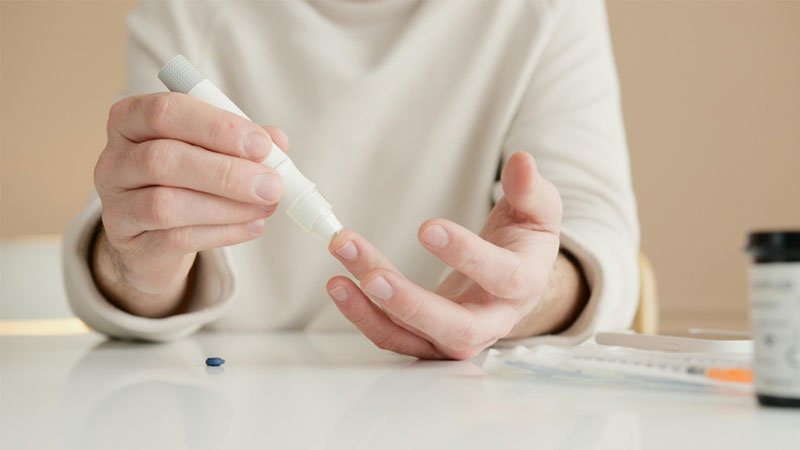
Diabetic ulcers – Foot wounds that occur in people with diabetes due to nerve damage and poor circulation.
Each type of wound requires specific care and monitoring.
Stages of Wound Healing
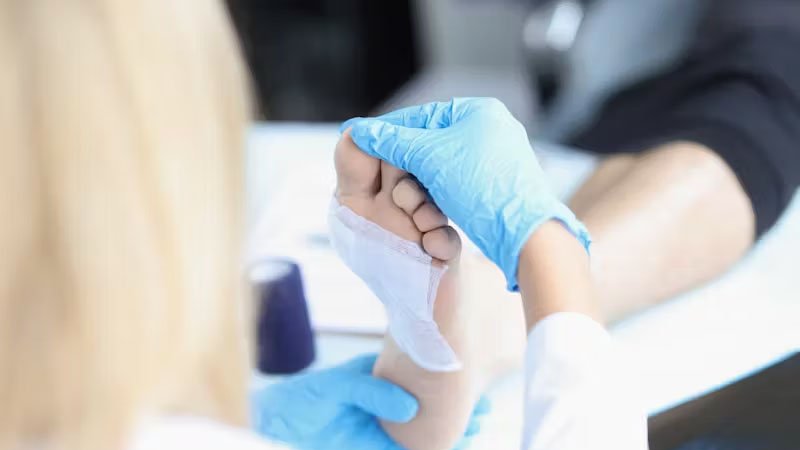
The body heals wounds through a complex biological process consisting of several stages.
Hemostasis
Immediately after injury, the body works to stop bleeding by forming blood clots.
Inflammatory Phase
During this phase, the immune system removes bacteria and damaged tissue from the wound site.
Proliferation Phase
New tissue begins to form, and blood vessels develop to support the healing area.
Maturation Phase
The final stage strengthens the newly formed tissue and restores the skin’s structure.
Proper wound care supports each of these stages and helps prevent complications.
Cleaning and Protecting the Wound
Cleaning the wound properly is one of the most important steps in wound care. Gentle cleaning removes dirt, bacteria, and debris that could interfere with healing.
Healthcare professionals often recommend sterile saline solutions or specialized wound cleansers to maintain a clean environment.
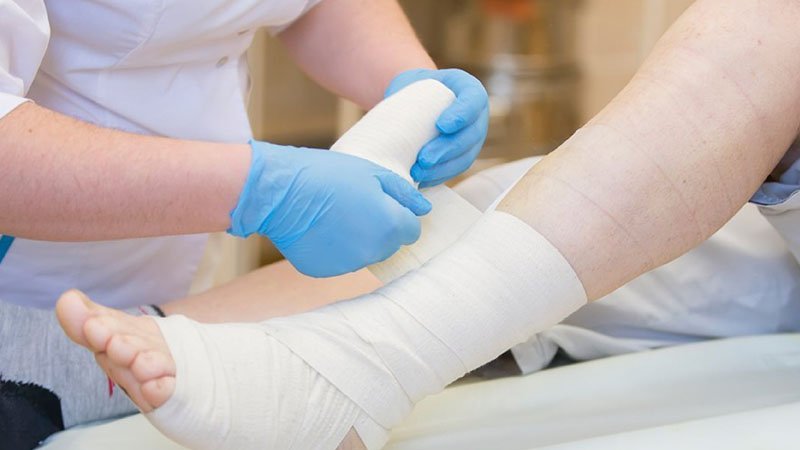
Once cleaned, the wound should be covered with an appropriate dressing to protect it from external contamination.
Types of Wound Dressings
Modern wound care products provide specialized solutions for different types of wounds.
Common dressings include:
Foam dressings – Absorb excess fluid while maintaining a moist healing environment.
Hydrocolloid dressings – Promote faster healing by protecting the wound from bacteria.
Alginate dressings – Ideal for wounds with heavy drainage.
Gauze dressings – Traditional option used for basic wound coverage.
Selecting the correct dressing is essential for optimal healing.
Preventing Wound Infection

Infections can delay healing and lead to serious complications. Signs of infection may include redness, swelling, warmth, pain, or unusual discharge.
Preventive measures include:
-
Keeping wounds clean and covered
-
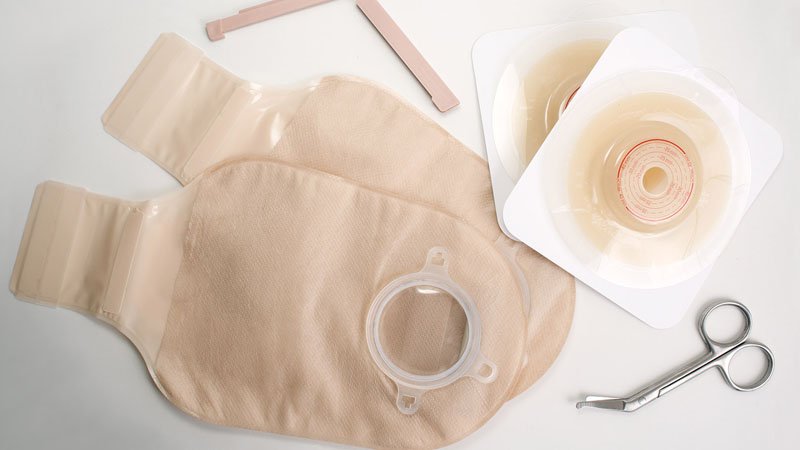
Using sterile medical supplies
-
Changing dressings regularly
-
Avoiding unnecessary touching of the wound
Early medical attention should be sought if infection symptoms appear.
Conclusion
Proper wound care is essential for promoting safe and effective healing. By understanding the healing process, maintaining hygiene, and using appropriate medical supplies, patients and caregivers can significantly reduce the risk of complications.
Reliable wound care products and consistent care routines help support faster recovery and better overall health outcomes.