Ostomy surgery is a medical procedure that can significantly improve the quality of life for individuals dealing with serious digestive or urinary conditions. While the surgery itself can be life-saving, many patients and caregivers initially feel uncertain about how to manage daily life afterward. Proper ostomy care is essential for maintaining hygiene, protecting skin health, preventing complications, and ensuring overall comfort.
With the right knowledge, routine, and medical supplies, people living with an ostomy can maintain an active lifestyle and continue participating in daily activities such as work, exercise, and travel. This guide provides an in-depth overview of ostomy care, including the different types of ostomies, essential daily care practices, recommended products, and lifestyle tips that help patients live confidently after surgery.
Understanding Ostomy Surgery
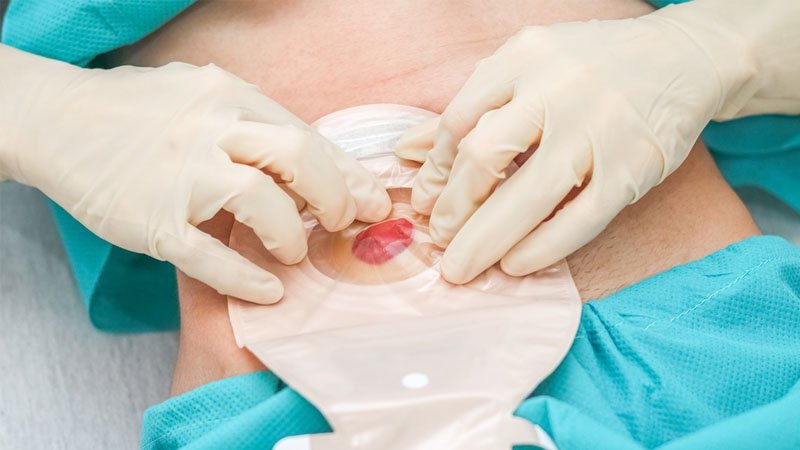
An ostomy is a surgically created opening in the abdomen that allows waste to leave the body when the digestive or urinary system cannot function normally. The opening, known as a stoma, connects an internal organ to the outside of the body, where waste is collected in a specialized pouching system.
Ostomy surgery is often performed due to medical conditions such as:
-
Colorectal cancer
-
Crohn’s disease
-
Ulcerative colitis
-
Severe intestinal injury
-
Birth defects affecting the digestive system
-
Bladder cancer or urinary tract disorders
Depending on the medical condition, different types of ostomy procedures may be performed.
Types of Ostomy
Colostomy
A colostomy connects the colon to the abdominal wall, allowing stool to pass into an ostomy pouch. This procedure may be temporary or permanent depending on the underlying condition.
Ileostomy
An ileostomy connects the small intestine (ileum) to the abdominal wall. Waste from an ileostomy is typically more liquid and requires specialized pouching systems.
Urostomy
A urostomy diverts urine away from a diseased or damaged bladder. Urine flows from the kidneys through a surgically created passage to the stoma and into a collection pouch.
Understanding the type of ostomy a patient has is essential for selecting the correct care routine and medical supplies.
Importance of Proper Ostomy Care
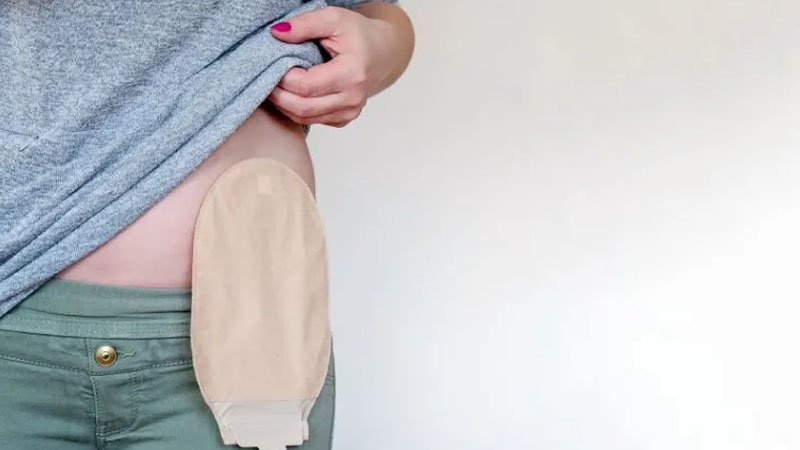
Maintaining proper ostomy care is essential for protecting the skin around the stoma and ensuring the pouching system functions correctly. Without proper care, patients may experience problems such as skin irritation, leakage, infection, or discomfort.
The skin surrounding the stoma, known as the peristomal skin, is sensitive and must remain clean and dry to prevent irritation. A well-maintained ostomy care routine provides several important benefits:
-
Protection against skin damage and irritation
-
Reduced risk of infection or inflammation
-
Better adhesion of ostomy pouching systems
-
Improved comfort during daily activities
-
Increased confidence and independence
Consistent care helps individuals adjust more easily to life with an ostomy.
Daily Ostomy Care Routine
Establishing a daily ostomy care routine helps patients maintain hygiene and prevent complications. Although each person’s routine may vary depending on their medical condition and lifestyle, the following steps are commonly recommended.
Cleaning the Stoma Area
The stoma itself does not have nerve endings, which means cleaning it is usually painless. However, the surrounding skin must be handled carefully to avoid irritation.
Cleaning should be done using warm water and soft materials such as clean cloths or gauze. Harsh soaps, alcohol-based products, or strong chemicals should be avoided because they can damage the skin or interfere with the adhesive properties of ostomy barriers.
After cleaning, the skin should be gently patted dry before applying a new pouching system.
Changing the Ostomy Pouch
Ostomy pouches must be emptied and replaced regularly to maintain hygiene and comfort. Most pouches should be emptied when they are about one-third full to prevent excessive weight that may cause leakage or detachment.
The frequency of pouch replacement depends on the type of pouching system used, but many individuals change their pouch every three to five days.
Proper fitting of the pouch around the stoma is essential to prevent leakage and protect the surrounding skin.
Monitoring Skin Health
Patients should regularly examine the skin around the stoma for signs of irritation, redness, swelling, or unusual discharge. Early detection of skin problems allows for prompt treatment and prevents more serious complications.
If persistent irritation or discomfort occurs, it is important to consult a healthcare professional.
Choosing the Right Ostomy Care Products
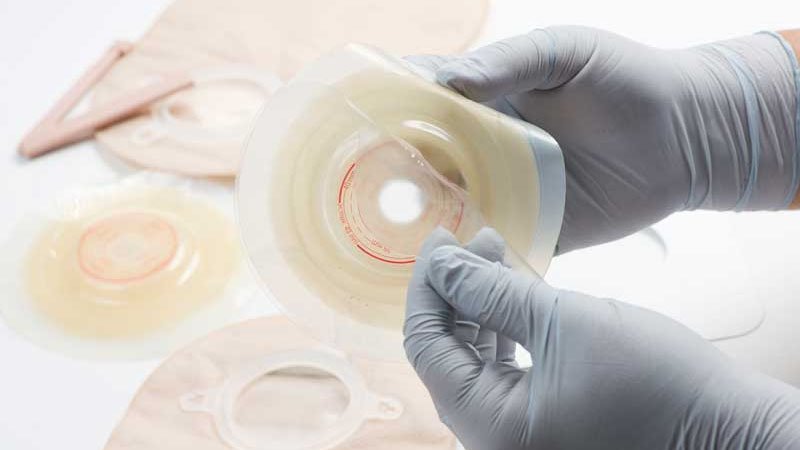
The availability of high-quality ostomy products has significantly improved comfort and convenience for ostomy patients. Modern ostomy systems are designed to be discreet, reliable, and easy to use.
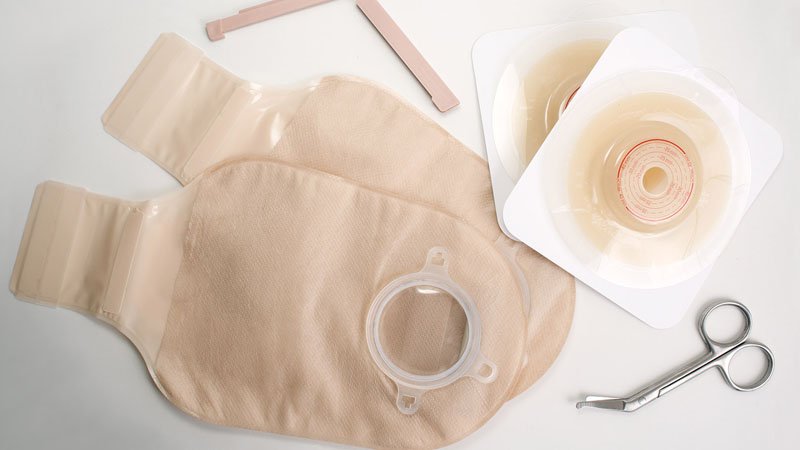
Common ostomy care products include:
Ostomy Pouches
Ostomy pouches collect bodily waste and are available in different styles, including one-piece and two-piece systems.
Skin Barriers
Skin barriers create a protective layer between the stoma output and the surrounding skin, helping prevent irritation.
Adhesive Removers
Adhesive removers allow gentle removal of pouching systems without damaging the skin.
Barrier Rings and Seals
These accessories help improve the fit of the pouching system and prevent leakage.
Protective Powders and Wipes
These products help maintain healthy skin and manage moisture around the stoma.
Choosing reliable medical supplies ensures greater comfort and safety during daily ostomy care.
Nutrition and Diet for Ostomy Patients
Diet plays an important role in managing life with an ostomy. While most people can eventually return to a normal diet, certain foods may affect digestion or stoma output.
Helpful dietary tips include:
-
Eating smaller meals throughout the day
-
Chewing food thoroughly to aid digestion
-
Drinking plenty of fluids to prevent dehydration
-
Introducing new foods gradually
-
Avoiding foods that cause excessive gas or blockage
Each individual may respond differently to certain foods, so keeping track of dietary changes can help identify what works best.
Emotional and Lifestyle Adjustment
Adjusting to life with an ostomy can be emotionally challenging for some individuals. It is common to experience feelings of anxiety, embarrassment, or uncertainty during the early stages of recovery.
However, with education and support, most people adapt successfully and regain confidence in their daily lives.
Many individuals with ostomies continue to participate in activities such as:
-
Traveling
-
Exercising
-
Swimming
-
Social events
-
Professional work
Modern ostomy products are designed to be discreet and secure, allowing individuals to live active and fulfilling lives.
Conclusion
Ostomy care is an essential part of maintaining health, comfort, and independence after ostomy surgery. By following proper hygiene practices, using high-quality medical supplies, and maintaining a consistent care routine, individuals can successfully manage their ostomy and continue living active lives.
Education, preparation, and reliable ostomy care products play a crucial role in helping patients and caregivers navigate the challenges associated with ostomy management.
With the right support and knowledge, living with an ostomy can become a manageable and empowering part of daily life.