For individuals living with diabetes, monitoring blood sugar levels is one of the most important aspects of daily health management. Blood glucose monitoring helps patients understand how their bodies respond to food, medication, physical activity, and other lifestyle factors.
Regular testing allows people with diabetes to maintain stable blood sugar levels, prevent complications, and make informed decisions about their treatment plans.
Why Blood Sugar Monitoring Is Important
Monitoring blood glucose provides valuable information about the body’s metabolic state.
It helps individuals:
-
Prevent dangerously high blood sugar levels
-
Detect low blood sugar episodes
-
Adjust medications or insulin doses
-
Maintain long-term health
Consistent monitoring is essential for effective diabetes management.
Types of Blood Glucose Monitoring Devices
Blood Glucose Meters
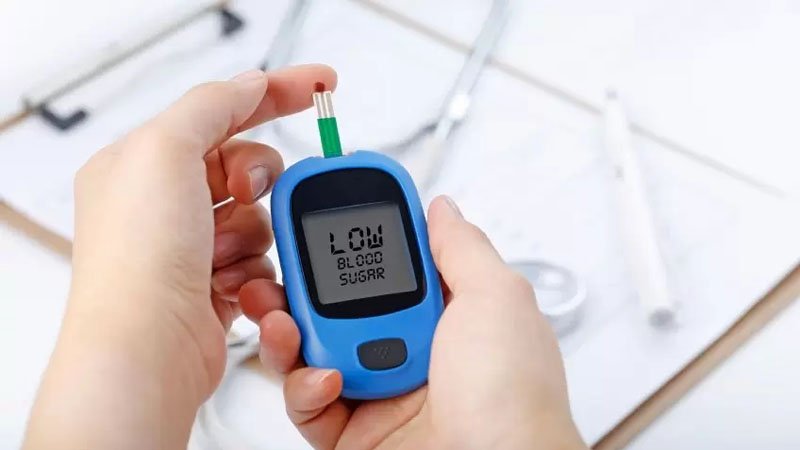
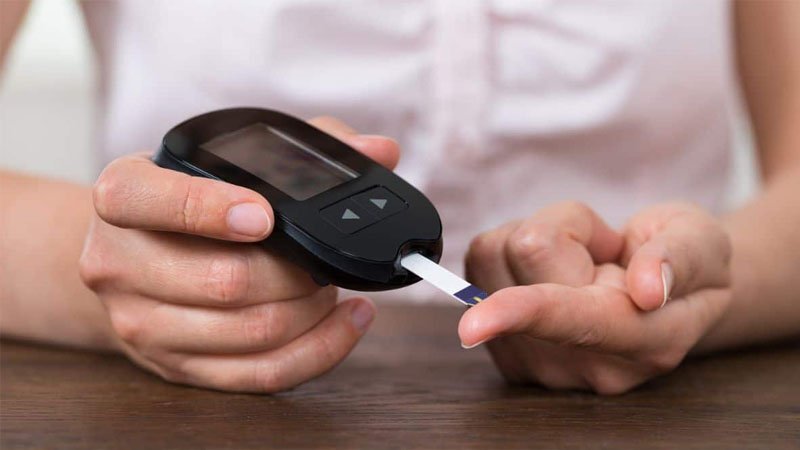
Blood glucose meters are small electronic devices used to measure blood sugar levels from a small drop of blood.
They are widely used because they are accurate, portable, and easy to operate.
Continuous Glucose Monitoring Systems
Continuous glucose monitoring (CGM) devices track blood sugar levels throughout the day and night.
These systems provide real-time data and help patients identify trends in their glucose levels.
Steps for Checking Blood Sugar at Home
-
Wash hands thoroughly.
-
Insert a test strip into the glucose meter.
-
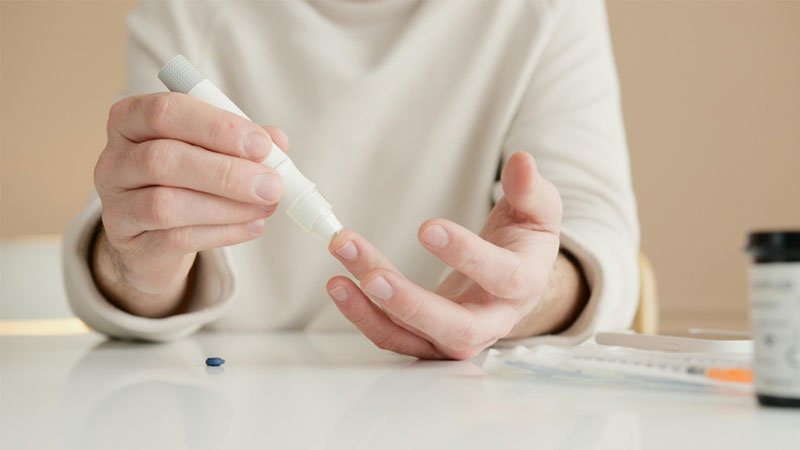
Use a lancet to prick the fingertip.
-
Place a drop of blood on the test strip.
-
Wait for the meter to display the result.
Recording results regularly helps track patterns and identify changes in blood sugar levels.
Tips for Accurate Blood Sugar Testing
-
Test at the same times each day
-
Keep testing equipment clean
-
Use fresh test strips
-
Follow the device instructions carefully
Accurate testing ensures better diabetes management and reduces health risks.
Lifestyle Factors That Affect Blood Sugar
Several lifestyle factors can influence blood glucose levels, including:
-
Diet and food choices
-
Physical activity
-
Stress levels
-
Medication use
-
Sleep patterns
Maintaining a balanced lifestyle supports better blood sugar control.
Conclusion
Monitoring blood sugar levels at home is a critical part of diabetes care. By using reliable glucose monitoring devices and maintaining consistent testing routines, individuals can effectively manage their condition and reduce the risk of complications.
With proper education, medical support, and high-quality diabetes care products, people living with diabetes can maintain a healthy and active lifestyle.