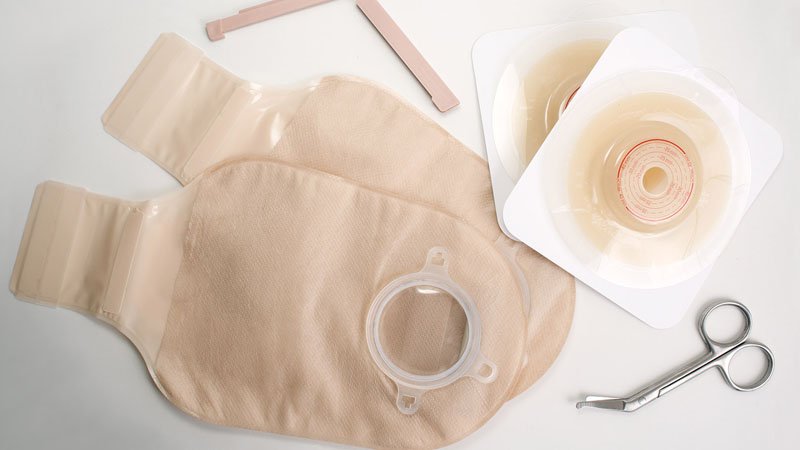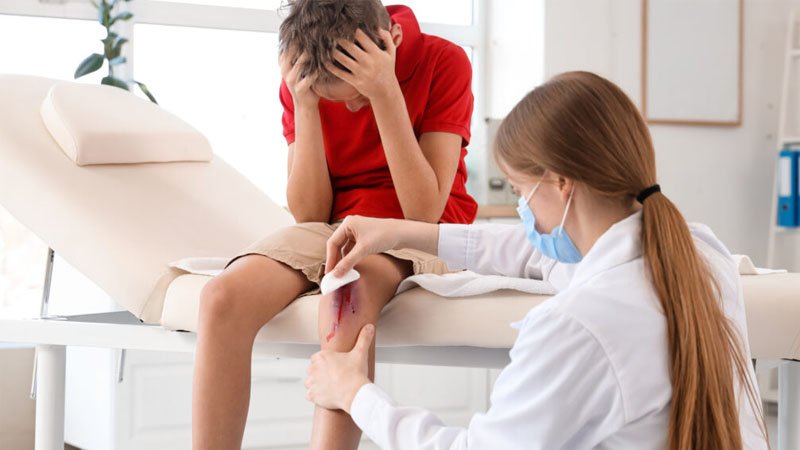
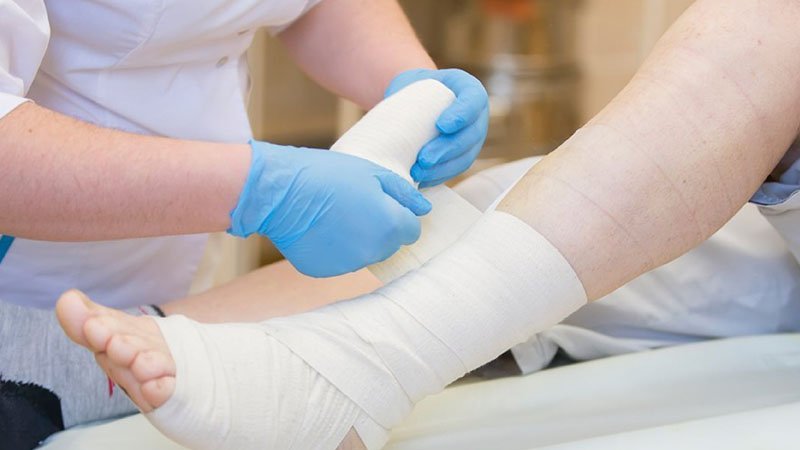
Proper wound care is essential for promoting healing and preventing infection. One of the most important aspects of wound management is selecting the appropriate wound dressing. Different types of wounds require different dressing materials to create the ideal healing environment.
Modern medical technology has introduced a variety of wound care products designed to absorb moisture, protect against bacteria, and support tissue regeneration. Understanding the purpose of each type of dressing helps healthcare providers, caregivers, and patients choose the most effective treatment option.
Why Wound Dressings Are Important
Wound dressings serve several important functions in the healing process:
-
Protect the wound from bacteria and contaminants
-
Absorb excess fluid or drainage
-
Maintain a moist environment for healing
-
Reduce pain and irritation
-
Promote tissue regeneration
Choosing the correct dressing can significantly improve recovery time and reduce complications.
Common Types of Wound Dressings
Gauze Dressings
Gauze is one of the most traditional wound dressing materials and is widely used for basic wound coverage.
Benefits:
-
Affordable and widely available
-
Suitable for minor wounds
-
Absorbs light drainage
However, gauze may need frequent replacement and may stick to the wound if not used properly.
Foam Dressings
Foam dressings are designed for wounds with moderate to heavy drainage.
Benefits:
-
Excellent absorption
-
Provides cushioning protection
-
Maintains moist healing environment
They are commonly used for pressure ulcers and surgical wounds.
Hydrocolloid Dressings
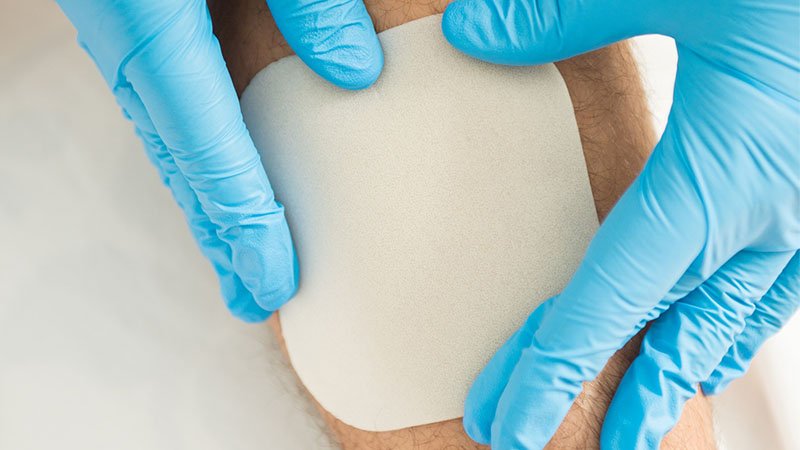
Hydrocolloid dressings contain gel-forming materials that help maintain moisture around the wound.
Benefits:
-
Promotes faster healing
-
Protects against bacteria
-
Requires less frequent changes
These dressings are often used for minor burns and pressure ulcers.
Alginate Dressings
Alginate dressings are made from natural seaweed fibers and are ideal for wounds with heavy exudate.
Benefits:
-
Highly absorbent
-
Supports tissue healing
-
Reduces risk of infection
These dressings are commonly used for deep wounds and diabetic ulcers.
Transparent Film Dressings
These thin dressings provide a protective barrier while allowing healthcare professionals to monitor the wound.
They are often used for minor wounds or as secondary dressings.
Choosing the Right Dressing
Several factors influence the choice of wound dressing:
-
Wound size and depth
-
Amount of drainage
-
Presence of infection
-
Skin sensitivity
-
Healing stage
Healthcare professionals often evaluate these factors before recommending a specific dressing.
Importance of Medical-Grade Wound Care Products
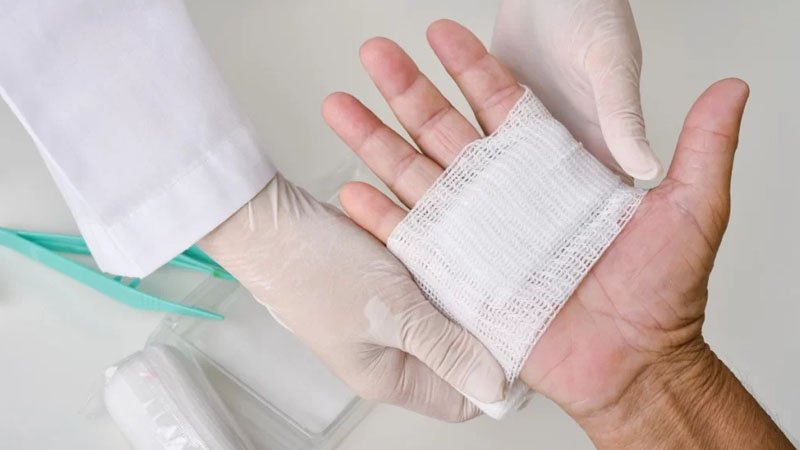
Using high-quality wound care products ensures better hygiene and healing support. Professional medical supplies are designed to maintain the optimal balance of moisture and protection needed for recovery.
These products are widely used in hospitals, clinics, and home healthcare environments.
Conclusion
Wound dressings play a crucial role in protecting wounds and supporting the natural healing process. By understanding the different types of dressings available and their specific uses, patients and caregivers can make informed decisions about wound care.
Using appropriate wound care products helps reduce complications, promote faster healing, and improve patient comfort.